
How to Prevent (or Control) Crabgrass in North Carolina
It’s hardy, it’s unsightly, it’s fast-growing, and it’s nearly impossible to kill — it’s crabgrass. And it may be coming for your lawn this season.
Crabgrass is an invasive weed that thrives in high-sun, high-moisture locales. As weeds go, it’s relatively harmless to flora and fauna, but it can overtake your yard in the blink of an eye, leaving a dried-out, brown eyesore come late summer and a major headache the following spring. Crabgrass seeds grow quickly and germinate in a flash, so if you don’t catch it early, it can become a serious issue for your lawn.
Below, we’ll explain how to spot crabgrass, how to prevent it, and what homeowners can do if it’s already invaded.
Tips for Identifying Crabgrass
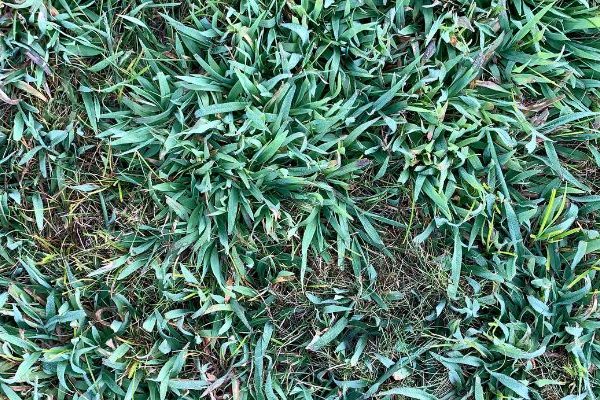
Crabgrass is easily spotted and known for its long, spike-like seed heads. Unfortunately, once you see the seed heads, it’s already too late to stop the spread. Crabgrass begins its life cycle in a vibrant lime-green shade that can make it easily confused with other grasses. But when you know what to look for, you can better identify crabgrass and nip this problem right in the bud. Here’s what to look out for:
- Wide leaf blades, typically much wider than blades of cultivated grasses.
- Spikey ligules or membranes where the leaf branches from the stem.
- Thick hairs covering blades and stems.
If you don’t catch these lawn weeds before they grow, you’re certainly not alone. Identifying established crabgrass is just as important so you can get a jumpstart on tackling it before the next growing season. Watch for:
- Colored stems, usually red or purple in hue, starting in summer.
- Big clumps of grass that spread in large patches, usually in bare spots on your lawn.
- Browning and drying out at the end of the season, around autumn.
How to Prevent Crabgrass in Your Yard
An ounce of crabgrass prevention is worth a pound of lush, healthy lawn. Every step you take to prevent crabgrass before it starts will be one step closer to the thriving yard you’ve been working for. Here are some effective prevention tips to consider:
Maintain Your Soil Health
Crabgrass thrives in compacted soil and takes over any bare spots in your yard. Aerating or amending your soil is a great way to deter crabgrass from getting a foothold. If you aren’t sure what type of soil you have, it can pay to have it tested and implement a recommended treatment plan.
Know Before You Mow
Crabgrass grows like a weed, but it grows fastest in low-cut turf. It’s tempting to mow your grass low to maximize time in between, but that’s just asking for crabgrass to move on in. Instead, make sure your mower is on the tallest setting, and plan to mow more frequently. This allows your grass to provide shade from the sun, which will eventually choke out the sun-loving crabgrass.
Use a Pre-Emergent Herbicide
If you time it right, you can apply a pre-emergent herbicide — also called pre-emergence herbicides — that will stop the crabgrass from taking hold. These herbicides don’t kill seeds or stop them from germinating, but they do prevent the plant from following its typical growth cycle. Pre-emergents must be applied during a specific window of time and will need to be reapplied annually.
Schedule Routine Maintenance
There are plenty of lawn care tasks you can DIY, but having support from a trusted expert can make a difference in the health and overall appearance of your lawn. Ease your burden by partnering with a lawn care company that can schedule needed maintenance and identify and stop problems before they start. You wouldn’t miss an oil change for your vehicle, and you know what the consequences could be if you do. The same applies to your lawn.
Taking Control: What to Do If You Have Crabgrass
Let’s say you’ve made a troubling discovery — clumps of crabgrass spreading across your lawn. Is there anything to be done, or is it too little, too late? You’re in luck because there are steps you can take to address crabgrass even after it’s established itself in your yard.
Remove at the Right Time
Yes, manual removal is a time-consuming chore, but it’s certainly an effective one. Of course, sooner is always better, so if you catch a young plant sprouting up, feel free to grab it and take it out by the roots. However, be sure to avoid pulling up a mature, seeded crabgrass plant. If you see the seed heads, leave it alone. Manual removal at that stage can do more harm than good and will only cast the seeds further. If that’s the situation, simply wait for the plant to die off in the autumn and pull it up once it’s fully brown.
Use a Post-Emergent Herbicide
If you missed your window for applying a pre-emergent herbicide or simply found that it didn’t do enough to prevent the crabgrass spread, you may want to look into a post-emergent herbicide. As with a pre-emergent, timing is key. You want to get a post-emergent down on the plants while they’re still in their growth cycle before they’ve gone to seed. Note that there are different types of pre-emergent herbicides, and some can do just as much damage to the grass you want to keep. Carefully read labels and do your research before choosing a post-emergent.
Aerate or Overseed Your Lawn
You can prepare for the next crabgrass season while the current one is in full swing. Look into your options for aerating your lawn to improve soil quality, or explore overseeding. This will thicken up your lawn grass, making it harder for the sun to reach the sprouting weeds.
Call for Reinforcements
Of course, many of these jobs are too large for one person to tackle alone. A professional lawn service will have the tools and expertise to analyze your yard and come up with a customized game plan that meets your needs and your budget.
Regional Considerations and Treatment Timing
No matter where you are in North Carolina, battling crabgrass is all about timing. In North Carolina, the differing terrains might impact when you should take certain steps by a few days or a few weeks. Crabgrass care in Raleigh might look different from crabgrass care elsewhere in the region, so it helps to consult a professional. In general, though, you can plan on:
- Applying a pre-emergent well before crabgrass germination time, from late February to early March.
- Waiting to begin your mowing schedule until the pre-emergent has had time to do its work.
- Using a post-emergent in early to mid-April, after the plants have started to grow, but before they seed.
- Pulling weeds manually, either on the same timeline as the post-emergent or in autumn once they’ve died off and turned brown.
How Eastern Turf Maintenance Can Help With Crabgrass
Taking on a crabgrass invasion is not for the faint of heart. At Eastern Turf Maintenance, our experts have seen it all, and they understand the ins and outs of crabgrass control and treatment. They can boost your lawn’s defenses and get it ready for spring or talk about ongoing maintenance like soil aeration or overseeding to stop crabgrass before it starts. Check out our lawn care services and find out how we can get started treating your yard today! Contact us for a free quote.