
Armyworms and Grubs are Active in North Carolina
As fall approaches in North Carolina, homeowners face a significant threat to their lawns: fall armyworms and grubs. These pests can quickly turn your lush, green grass into a brown, patchy mess. Fortunately, with the right approach, you can protect your lawn from these damaging pests. Here’s what Raleigh homeowners need to know to keep their lawns safe from infestations.
Understanding Armyworms
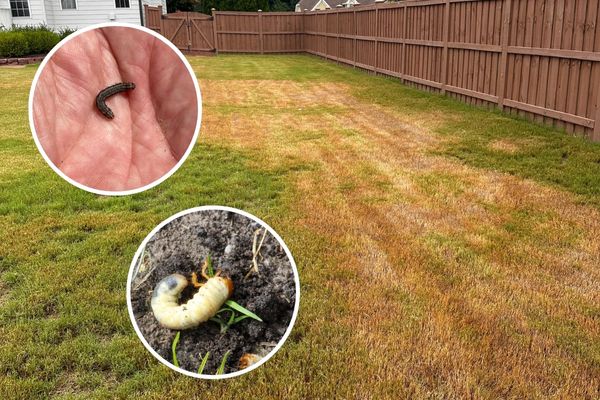
Fall armyworms are the larvae of a moth species that can cause severe damage to lawn grasses. They overwinter in Florida and migrate north. By the peak of summer, the female moths lay eggs in large clusters that can hatch within 10 days. These caterpillars move in large groups and are most active in late summer and early fall. We’ve already seen armyworm activity in the Raleigh area this season. They eat through grass quickly, leaving behind bare patches and a “dead lawn”. Armyworms are usually green or brown with a length of around 1- 1 ½ inches. They are properly named as they’re known to travel in large “armies”, meaning if you see one, there are others at work.
How to Spot Armyworms in Your Lawn
Identifying the signs of armyworms early on is crucial to preventing widespread damage in your lawn:
- Brown Patches: Armyworms eat grass blades, causing the grass to look dry or dead, similar to drought stress at the end of summer. If you keep up with good watering, it’s safe to rule that out and you may have a bigger issue at hand.
- Chewed Grass Blades: Upon closer inspection, you may notice that the edges of grass blades are chewed or frayed.
- Increased Bird Activity: Armyworms are a food source for birds so you may see more birds pecking at your lawn when dealing with an armyworm infestation.
- Visible Caterpillars: Armyworms are often visible on the grass, characterized by their green, brown, or black stripes and an inverted Y-shape on their heads. They’re most active in the early morning or evening.
Lookout for Other Lawn Feeders: White Grubs
Grubs are another common lawn pest in North Carolina. These white, C-shaped larvae are the offspring of beetles, such as Japanese beetles and June bugs. Grubs live underground, where they feed on grass roots, causing significant damage that can lead to brown, dying patches of lawn. Like armyworms, grubs are most active in late summer and early fall.
Identifying Grub Damage
Grub damage can often be confused with other lawn issues, but there are specific signs to watch for:
- Spongy Turf: A lawn infested with grubs may feel spongy or loose when walked on because the pests have eaten away the roots.
- Brown Patches: Grubs cause brown patches similar to those caused by drought, but the grass can be easily lifted like loose carpet, revealing the grubs beneath.
- Animal Digging: If you notice animals like raccoons or birds digging in your yard, they may be hunting for grubs, which can further damage your lawn.
How to Prevent Lawn Grubs and Armyworms
Preventing infestations is easier than dealing with them after they occur. Here’s how to protect your lawn:
- Maintain Lawn Health: Regular mowing, watering, and fertilizing will help keep your lawn healthy and more resistant to pest infestations. Proper watering can also help distinguish between pest damage and drought stress.
- Regular Lawn Inspections: Check your lawn frequently, particularly in late summer and early fall, to catch any signs of pests early.
- Encourage Natural Predators: Birds and beneficial insects can help control armyworm and grub populations naturally.
- Preventative Treatments: Consider using insecticides that can prevent both armyworms and grubs. Eastern Turf Maintenance offers preventative insecticides during spring to help safeguard your lawn. Contact us to get your lawn on schedule for the next treatment.
Eliminating Active Armyworms or Grubs
If you discover armyworms or grubs in your lawn, prompt action is essential:
- Consult a Professional: Unsure of how to handle an infestation or facing a severe problem? Contact Eastern Turf Maintenance for an insecticide treatment as soon as possible.
- Biological Control Options: For a more eco-friendly approach, consider using natural products like nematodes, which target grubs and armyworms without harming beneficial insects. They may not be an end-all solution for a large infestation though.
- Before treatment, water and mow the lawn so the insecticide can better penetrate the lawn.
Helping Your Lawn Recover
After an infestation, your lawn may need extra care to fully recover:
- Aeration: Aerating your lawn is crucial after pest damage, as it helps strengthen and repair the root systems. Eastern Turf Maintenance provides liquid aeration in the fall, which can be very beneficial if dealing with armyworms or grub damage.
- Overseeding: Fescue seeding in the fall is always a must, but if your lawn fell victim to pests, it can help repair and fill in damaged areas.
- Fertilization: Applying a balanced fertilizer will encourage new growth and help your lawn recover more quickly.
- Proper Watering: Keeping your lawn well-watered during the recovery process will support healthy regrowth.
Professional Lawn Care in the Triangle
Armyworms and grubs can wreak havoc on your lawn, but with the right prevention and care, you can keep your yard looking its best. If you need professional help, Eastern Turf Maintenance is the local lawn care company you can rely on. With years of experience, our team can provide the expert care your Raleigh lawn needs. We offer comprehensive services, including pest control, weed control, fertilization, aeration and seeding, and more. Contact us today for a free quote!