
Raleigh Lawn Care: Caring for a Newly Seeded Lawn
Fall is a critical time for Raleigh homeowners to strengthen and refresh their lawns. Aeration and overseeding give your grass the best chance to recover from summer stress, establish deep roots, and build density for the seasons ahead. But success depends on how you care for your new seedlings in the weeks that follow.
Here are some essential post-aeration and germination tips to keep your lawn on track:
Watering is Key
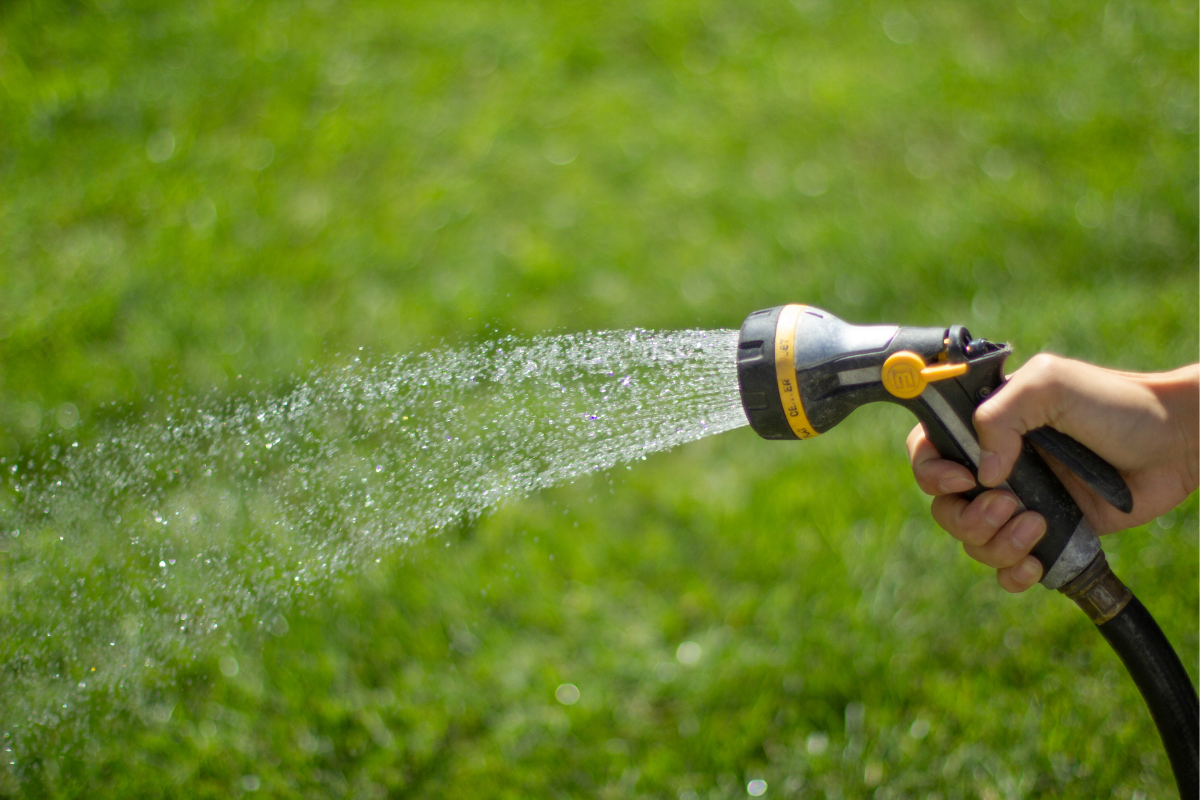
Proper watering is the most important step in helping new seedlings survive and thrive.
- Keep soil evenly moist. Water lightly and frequently at first to prevent seedlings from drying out. As they begin to establish, adjust to deeper, less frequent watering to encourage stronger root systems.
- Pay attention to problem areas. Sloped sections, spots near driveways and sidewalks, under trees, or in direct sun may need extra water since they dry out faster.
- Be patient. Germination can take 10–28 days or longer, depending on weather and soil conditions.
Protecting New Seedlings
Your new grass will be fragile at first. Taking a few precautions ensures long-term success.
- Limit foot traffic. Seedlings are very tender in the early weeks, so try to avoid walking on overseeded areas.
- Expect weeds. Winter annual weeds will appear, but that’s normal. For the first 60 days, no herbicides will be applied so the seedlings can establish. Please don’t attempt to treat weeds yourself during this period.
- Avoid adding extra seed. Seedlings start as a single blade of grass and naturally thicken as they grow. Extra seed at this stage can interfere with healthy development.
Post-Aeration Notes
Aeration not only prepares the seedbed but also relieves soil compaction—helping both new seedlings and existing turf develop stronger roots.
- Leave clumps alone. Soil plugs and clumps left behind are natural seedbeds. You’ll often see seedlings sprout there first. With watering and time, the lawn will fill in evenly.
- Trust the process. Aeration holes and soil plugs may look messy at first, but they’re critical for establishing healthy turf.
Raleigh Lawn Care Tips After Overseeding
As seedlings mature, careful maintenance helps protect your investment.
- Remove leaves promptly. Fallen leaves can smother new grass. Use a blower, gently rake, or mow and bag leaves to keep seedlings clear.
- Mow with care. You may mow once the seedlings are tall enough, but remember the roots are shallow. Avoid sharp turns and always mow with a sharp blade for clean cuts.
- Maintain the right height. For fescue lawns, keep the grass between 3.5 and 4 inches tall. This encourages deeper roots, shades the soil, and helps the turf establish more quickly.
- Lawn fertilization after overseeding can help encourage growth and supply nutrients to the new root systems.
The Bottom Line
Aeration and overseeding in Raleigh give lawns the foundation for thicker, healthier turf. With consistent watering, mindful maintenance, and patience, your lawn will develop stronger roots and improved density—setting it up for success in every season ahead. Contact Eastern Turf Maintenance today to get a free quote for professional seeding and lawn care services.